-
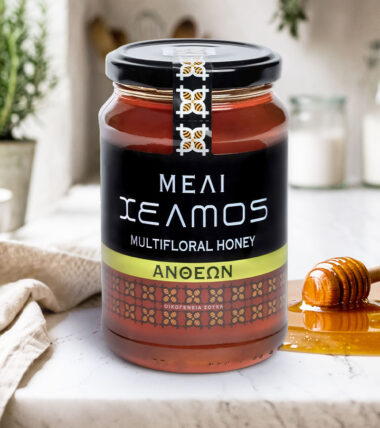
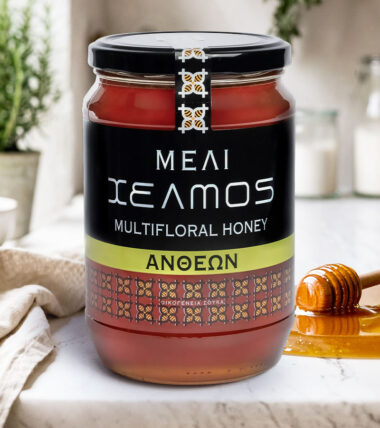
Blossom honey is produced by the Soukas family on the slopes of Mount Helmos. Blossom honeys are derived from flower nectar and contain pollen grains from various plants in differing proportions. Their physicochemical and therapeutic properties, as well as their color, vary depending on the plant nectar the bees bring back to the hive. Typically, no single type of pollen grain exceeds the threshold required to impart a distinct, single-floral character to the honey. Flavor: A mildly sweet, multi-layered flavor resulting from the variety of flowers.
-
Blossom honey is produced by the Soukas family on the slopes of Mount Helmos. Blossom honeys are derived from flower nectar and contain pollen grains from various plants in differing proportions. Their physicochemical and therapeutic properties, as well as their color, vary depending on the plant nectar the bees bring back to the hive. Typically, no single type of pollen grain exceeds the threshold required to impart a distinct, single-floral character to the honey. Flavor: A mildly sweet, multi-layered flavor resulting from the variety of flowers.
-
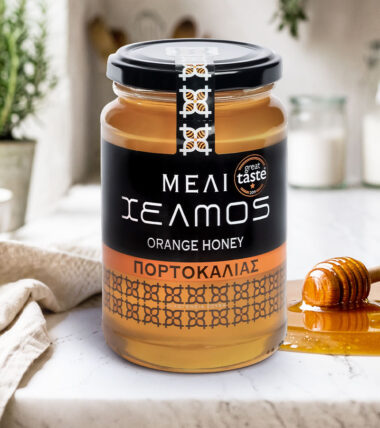
Orange blossom honey is produced by the Soukas family in Skala, Laconia; the orange blossom serves as a significant source of nectar for honey production. It is a honey that children particularly enjoy due to its very sweet and aromatic flavor. Flavor: An exceptionally distinctive flavor.
-
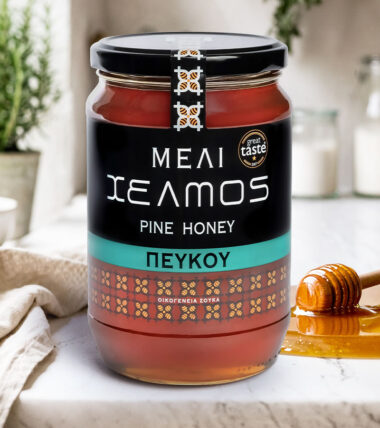
Pine honey is produced by the Soukas family in northern Evia. It accounts for 65% of total honey production in Greece and originates from the honeydew secretions of the insect *Marchalina hellenica* as it feeds on Aleppo and Calabrian pines. Taste: Due to its low sugar concentration, it is not overly sweet.
-
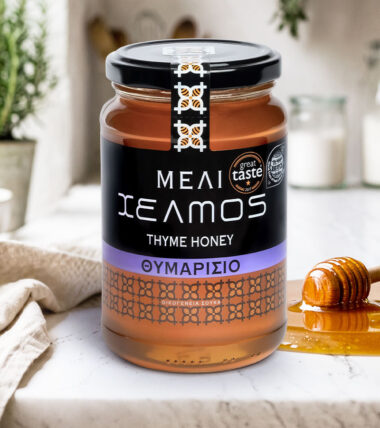
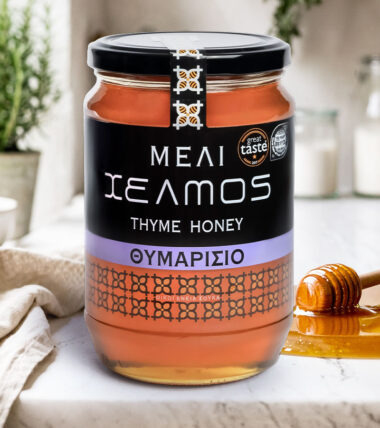
Thyme honey is produced by the Soukas family on the island of Lefkada. It is considered a honey of exceptional quality. Although classified as a blossom honey, it actually constitutes a distinct category due to its intense aromatic and flavor characteristics. It accounts for approximately 10% of Greece's total honey production. Taste: Thyme honey has a pleasant taste, though at times, due to its high fructose content, it leaves a burning sensation in the mouth.
-
Thyme honey is produced by the Soukas family on the island of Lefkada. It is considered a honey of exceptional quality. Although classified as a blossom honey, it actually constitutes a distinct category due to its intense aromatic and flavor characteristics. It accounts for approximately 10% of Greece's total honey production. Taste: Thyme honey has a pleasant taste, though at times, due to its high fructose content, it leaves a burning sensation in the mouth.